
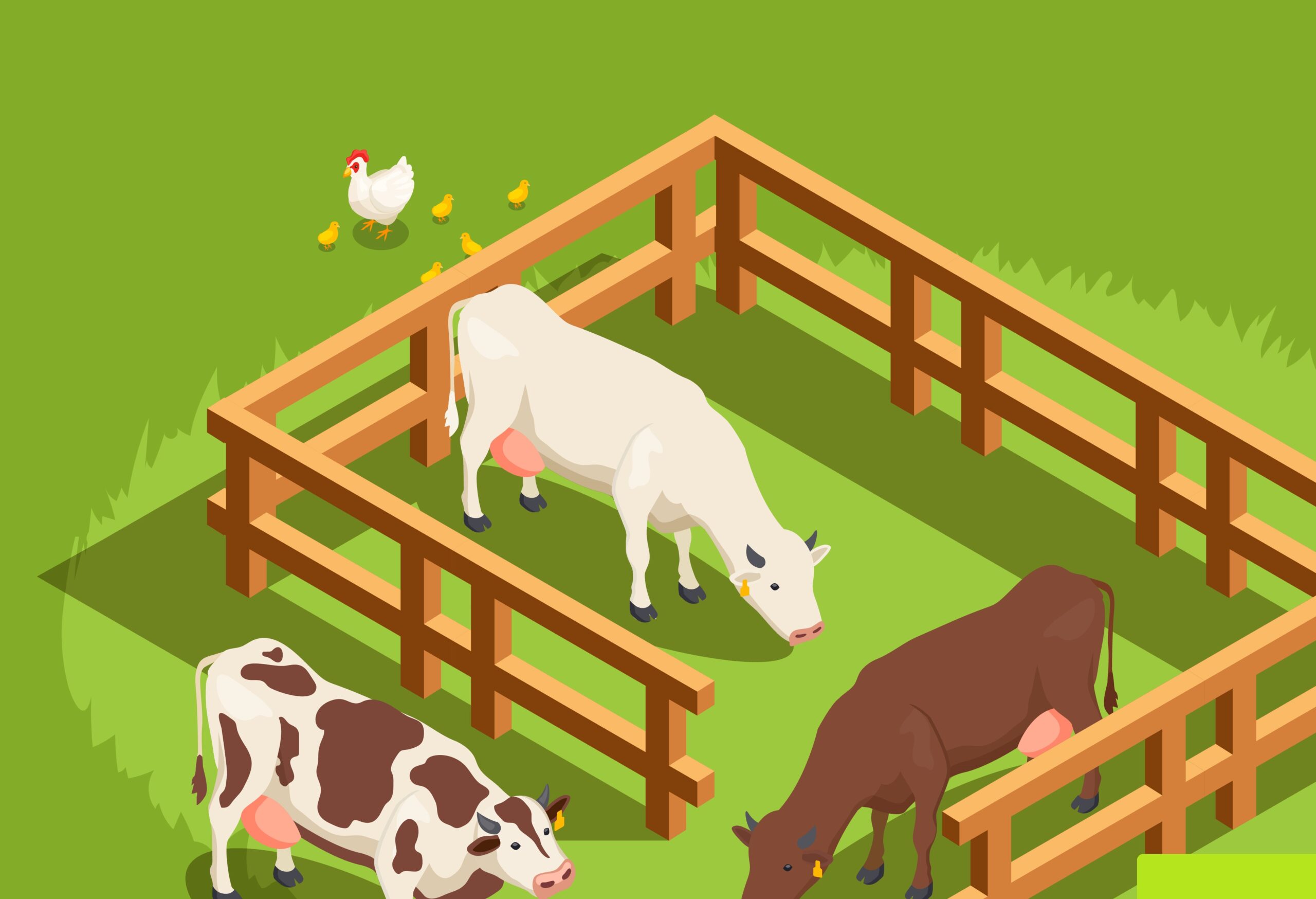
When it comes to securing livestock, one of the biggest decisions farmers face is choosing between cattle panels and traditional fencing. Both options have their pros and cons, and the right choice depends on your farm’s size, livestock needs, and budget. Understanding the differences can help you make an informed decision and ensure the safety of your animals.
What Are Cattle Panels?
Cattle panels are heavy-duty, welded wire panels designed to create strong and reliable enclosures. Farmers often use them for cattle, goats, and even as temporary fencing for horses. Since they are portable and easy to set up, cattle panels have become a popular option for both small farms and larger ranches.
Benefits of cattle panels include:
- Durability – Made from galvanized steel, they withstand weather and pressure from livestock.
- Easy Installation – No need for digging or setting posts like with traditional fencing.
- Versatility – Can be rearranged for pens, corrals, or rotational grazing systems.
- Cost-Effective in the Short Term – Ideal for farmers who need quick fencing solutions.
What Is Traditional Fencing?
Traditional fencing usually refers to wood, barbed wire, or woven wire fencing. These types of fences have been used for decades and are considered a long-term solution for livestock management.
Benefits of traditional fencing include:
- Longevity – With proper maintenance, traditional fencing can last many years.
- Secure Boundaries – Great for large pastures where livestock need clear perimeters.
- Customization – Farmers can choose from different materials like barbed wire, wood, or electric fencing.
- Better for Permanent Setups – Ideal if you’re not planning to move enclosures frequently.
Cattle Panels vs. Traditional Fencing: Key Differences
When comparing cattle panels with traditional fencing, the main factors to consider are flexibility, cost, and maintenance.
- Flexibility: Cattle panels are portable and easy to move, while traditional fencing is more permanent.
- Cost: Cattle panels may cost more upfront per panel, but they save on installation costs. Traditional fencing may be cheaper in materials, but labor and maintenance can add up.
- Durability: Both options are strong, but panels handle frequent relocation better.
- Best Use Cases: Use cattle panels for smaller enclosures, pens, and temporary setups. Use traditional fencing for large pastures and long-term boundaries.
Which Should You Choose?
The right choice depends on your farming needs. If you need a flexible, temporary, and easy-to-install solution, cattle panels are the way to go. On the other hand, if your priority is a long-term, stable, and permanent boundary, traditional fencing is a better investment.
For many farms, a combination of both works best—cattle panels for pens and corrals, and traditional fencing for pastures.
Final Thoughts
Choosing between cattle panels and traditional fencing doesn’t have to be difficult. Evaluate your farm’s goals, livestock requirements, and budget to make the best decision.
At Huber’s Animal Health, we provide high-quality farm supplies, including cattle panels, fencing materials, and livestock health products to keep your animals safe and your farm running smoothly. Explore our selection today and find the right solution for your farm.